WHO WE ARE
On this page:
Institutions
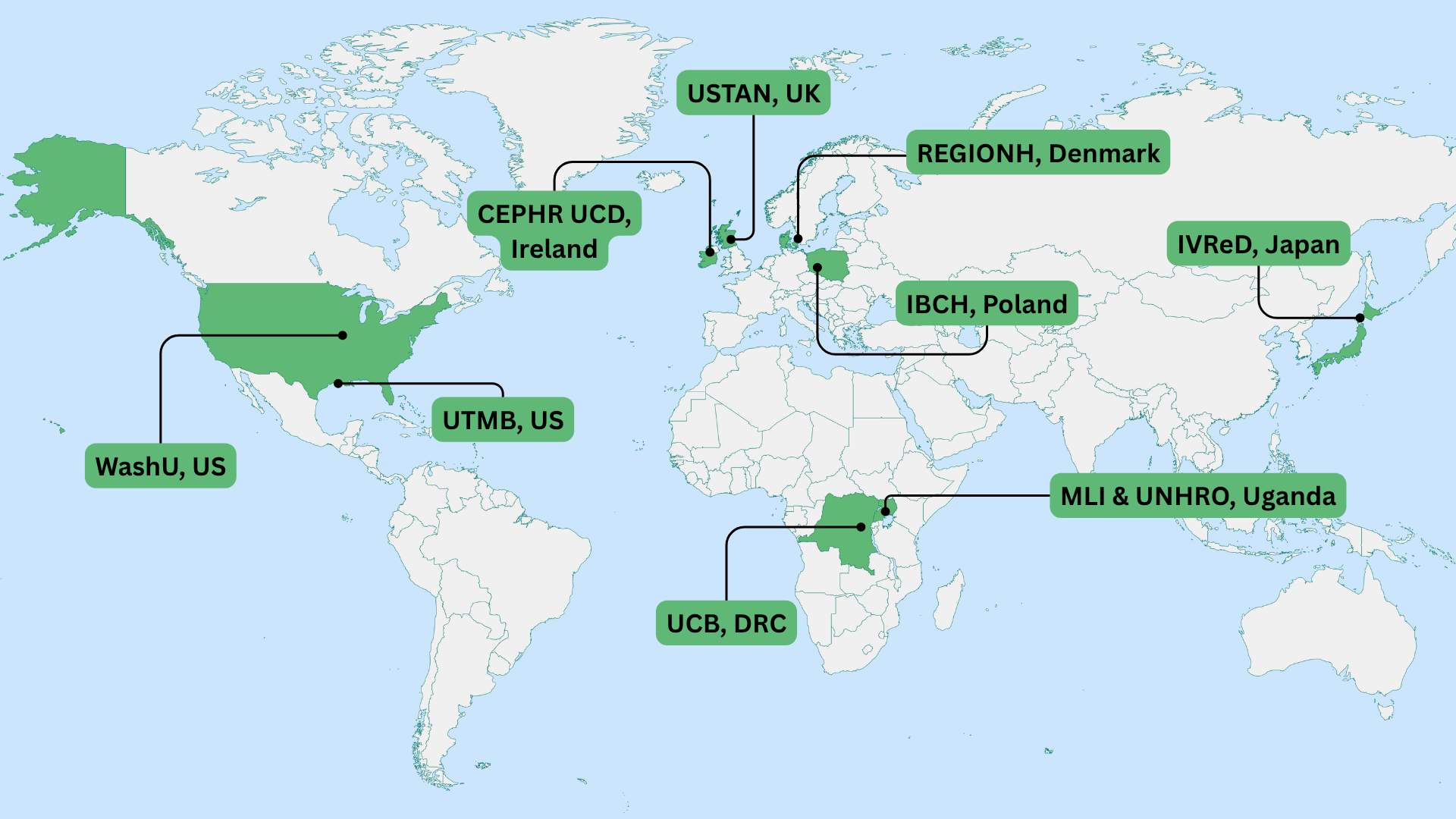

University College Dublin (UCD)
UCD is one of Europe’s leading research-intensive universities, the national leader in Ireland in research funding, and is ranked within the top 1% of higher education institutions worldwide. UCD has had nationally leading success in many prestigious European awards, including European Research Council and Marie Sklodowska-Curie schemes. Just in 2023 alone, UCD secured over €160 Millon in research grants from National and international funding agencies, and over €1.3 billion since 2013. UCD is globally recognized for its excellence in teaching and learning, is Ireland’s leader in graduate education with over 12,000 graduate students; over 17% of whom are graduate research students, including 2,004 PhD students. UCD has made Infectious Diseases a key research priority and has more specifically built a strong research base in Translational Medicine and Infectious Diseases research strategically aligned across human and non-human research under a ‘One Health’ approach which forms a key strategic initiative in UCD Strategic Plan 2030.

Region Hovestaden (REGIONH)
Region Hovestaden, in english Capital Region of Denmark participates actively in European funding programmes and to date has participated in over 170 Horizon2020 and Horizon Europe projects. This number includes 27 MSCA grants of which 7 are coordinated by REGIONH, 5 COFUND grants and 6 ERC grants. Since 2014, REGIONH received approximately 105,5 million € in grants from the EU.
REGIONH offers a robust and highly integrated research environment supported by comprehensive healthcare registers, advanced laboratory infrastructure, and extensive biobanking capacities. Research is often carried out by clinicians ensuring excellent opportunities for translational research.
A key strength of REGIONH is its integration into the national Danish research infrastructure, which enables complete follow-up of all individuals living in Denmark through linkages to detailed healthcare registries and microbiological data. This allows for thorough longitudinal assessment of clinical outcomes, comorbidities, and pathogen-related variables. Furthermore, REGIONH benefits from skilled laboratory teams, dedicated biobank facilities, expert biostatisticians, and well-established trial units, creating a highly supportive environment for large-scale, in-depth studies on viral pathogenesis and long-term consequences of emerging and existing pathogens. One major asset within this setting is the COCOMO cohort, which comprises over 1,000 people living with HIV, each subject to broad clinical, imaging, and biomarker profiling (including cardiac CT, cytokines, microbiome, and multi-omics analyses).
Institute of Bioorganic Chemistry of the Polish Academy of Sciences (IBCH)
The Institute of Bioorganic Chemistry of the Polish Academy of Sciences (IBCH PAS) is a leading scientific institution in Poland. Its exceptional standing across Europe and worldwide stems from its multifaceted activities at the intersection of three sciences: chemistry, biology, and informatics. Here, interdisciplinary research is conducted across fields such as bioorganic chemistry, biochemistry, molecular biology, systems biology, synthetic biology, and bioinformatics, with a particular focus on the synthesis, structure, and function of nucleic acids and proteins, as well as their components and mutual interactions under both model and cellular conditions.
IBCH PAS employs 775 staff, including 112 scientists (15 full professors, 25 habilitated doctors), supported by research and technical personnel. It hosts the Poznan Doctoral School of the PAS, granting PhD and DSc degrees in chemical, biological, and information sciences. The Institute collaborates with Poznan University of Technology through the European Center for Bioinformatics and Genomics and houses the Center for Chemical Biology ERIC and the IBCH PAS Center for Innovation and Education.
The Institute consists of 28 research departments, including the Department of RNA Structural Genomics, led by Prof Elzbieta Kierzek (co-applicant) supported by 14 specialized laboratories that provide advanced equipment and infrastructure. The Department of RNA Structural Genomics, led by Prof. Elzbieta Kierzek, focuses on RNA structure, function, and interactions, particularly in RNA viruses like influenza and SARS-CoV-2. The group develops RNA-targeting inhibitors and antivirals.

University of Saint Andrews (USTAN)
University of St Andrews is the number one university in the UK and 3rd oldest university in the English-speaking world. In the last decade, the university has run an average grant income of over €10m per year from the EU. In 2021, the university established the St Andrews-Africa Health Research network (StAAHR) to promote mutual research capacity building with partner institutions in SubSaharan Africa (SSA) (https://medicine.standrews.ac.uk/staahr/). Interdisciplinary learning and research are emphasised at the 19 academic schools that constitute the University. The Biological Sciences Research Complex brings together schools of biology, chemistry, computer science, mathematics & statistics, medicine and physics with state-of-art equipment for diagnostics development and drug discovery. EU Grants: Application form (HE RIA and IA): V3.4 – 04.04.2024 Part B Page 40 of 44 Relevant to this application are research programmes: health data science, pathogen genomics, vaccine development, ecology and evolution, disease modelling, clinical trials and diagnostics.

Makerere University Lung Institute (MLI)
MLI is a centre of excellence for lung health research, care and training at Makerere University and is governed by a Board of Directors (BOD) composed of senior university staff and scientists, representatives of the Uganda Ministry of Health and the international lung health community. The BOD provides oversight and policy direction to MLI while the Executive Director (ED), provides direction for the day-to-day operations of the Institute with assistance of the Senior Management team (SMT) which includes Heads of Care, Research and Training, Grants Manager, Finance Manager, Chief Accountant, Chief Operations Officer and a Human Resources Manager.

Uganda National Health Research Organization (UNHRO)
The Uganda National Health Research Organisation is Uganda’s umbrella organisation for health research coordination. Established in 2011 under the UNHRO Act, the Uganda National Health Research Organisation works to coordinate, promote and provide guidance for health research and development in Uganda.
University Catholique de Bukavu (UCB)
UCB is located in the eastern Democratic Republic of Congo (DRC) in Bukavu, the capital city of South Kivu province (bordering Rwanda and Burundi). Founded in 1929, the 500-bed provincial hospital of Bukavu (HPGRB) serves as a center of reference and training for all the rural and urban health zones of the province. CUB comprises a multidisciplinary team including clinicians, laboratory scientists/microbiologists, pharmacologist, public health and clinical epidemiologists and social scientists with experience conducting population- and hospital-based research in the DRC with the aim of strengthening the health system in a post conflict area. The team has also a long-term experience with network collaboration (Johns Hopkins University/cholera vaccine clinical trial, 5-year German Federal Ministry of Education and Research project/Sepsis) and recently finalised a 10- year collaboration with Flemish universities grant programmes. UCB contributes a pre-existing platform for clinical research, a network of stakeholders, experience with public/community engagement, access to national health databases, experienced mentorship, and hands-on training on long-term epidemic-prone diseases in the region.

Washington University
WashU was founded in 1853 by a group of St. Louisans to address the lack of higher education opportunities in the Midwest. The new university lacked funding from the state, a religious group, or a single wealthy donor, so WashU grew slowly at first. Today, we are proud of our global reputation for excellence in teaching, research, and patient care. Within the Washington University School of Medicine, the Department of Pathology & Immunology’s three-part mission to advance research, training and clinical service has continued to strengthen over the years and act as a bridge between the basic and clinical sides of medicine across the university. Today, the department is considered one of seven basic science departments of the School of Medicine, with a strong emphasis on immunology. Laboratories in the Department study the pathogenesis and the biochemical and anatomical basis of disease.

The University of Texas Medical Branch at Galveston
The first public medical school of the United States, UTMB is a major academic health sciences center of global influence; a world-renowned research enterprise; and a growing, comprehensive health system with hospitals on four campuses and a network of clinics. It houses Schools of Medicine, Nursing, Health professions, Public and Population Health, Biomedical Sciences along with the institute for Human Infections and Immunity (serves as administrative home for this project). As part of The University of Texas System and Texas Medical Center, UTMB includes a world-renowned infectious disease research program reflected in its No. 1 NIH ranking among microbiology and immunology. It is also the home of Gaveston National Laboratory, one of the two federally funded BSL-2/4 labs, with a key role in developing countermeasures for viruses such as Ebola, Marburg and Lassa (as well as in diagnostics).
Hokkaido University Institute of Vaccine Research and Development (HU-IVReD)
Hokkaido University is a leading comprehensive university that places importance on its graduate schools. The university started out in 1876 as the Sapporo Agricultural College, the first modern academic institute in Japan. The college was promoted to an Imperial University and then flourished after the creation of the new university system. We have declared and cultivated our basic philosophies of education and research, namely the “Frontier Spirit,” “Global Perspectives,” “All-round Education” and “Practical Learning.” In order to meet the demands of society and to move ahead as a part of the
National University Corporation, Hokkaido University needs to formulate a long-term goal for developing the basis of knowledge generation, dissemination and application in the new century.
Principal Investigators
Virgine W. Gautier (UCD, WP 5 & 6 lead)
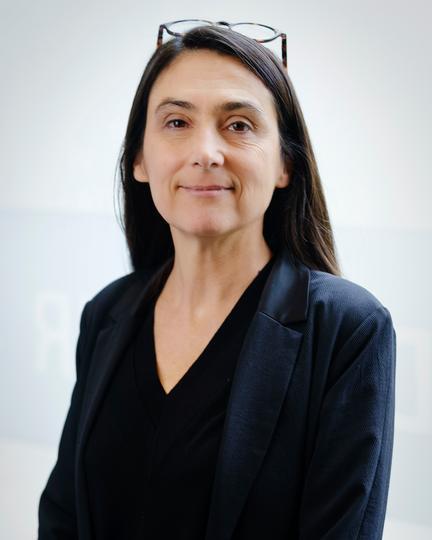
Virginie W. Gautier is the Coordinator and Principal Investigator of the VERPI programme, leading its scientific vision and strategic implementation across global partners. She is an Associate Professor in Virology at the UCD School of Medicine and Principal Investigator at Infection Research Ireland at UCD, where she heads translational virology programmes on emerging and high-impact viral pathogens. Her research focuses on the host–virus interface, viral molecular pathogenesis and the development of antiviral countermeasures with longstanding expertise in HIV cure research, SARS-CoV-2, MPOX and One Health surveillance initiatives. Prof Gautier has contributed to major European consortia and coordinated the H2020 EU4HIVCURE programme and has secured competitive funding from national and EU agencies to advance pandemic preparedness. Through VERPI, she champions an interdisciplinary, international and intersectoral (“triple I”) framework to strengthen global capacity for pathogen discovery, innovative therapeutic strategies, biomarker development and equitable pandemic readiness.
Prof. Jane O’Halloran (UCD)
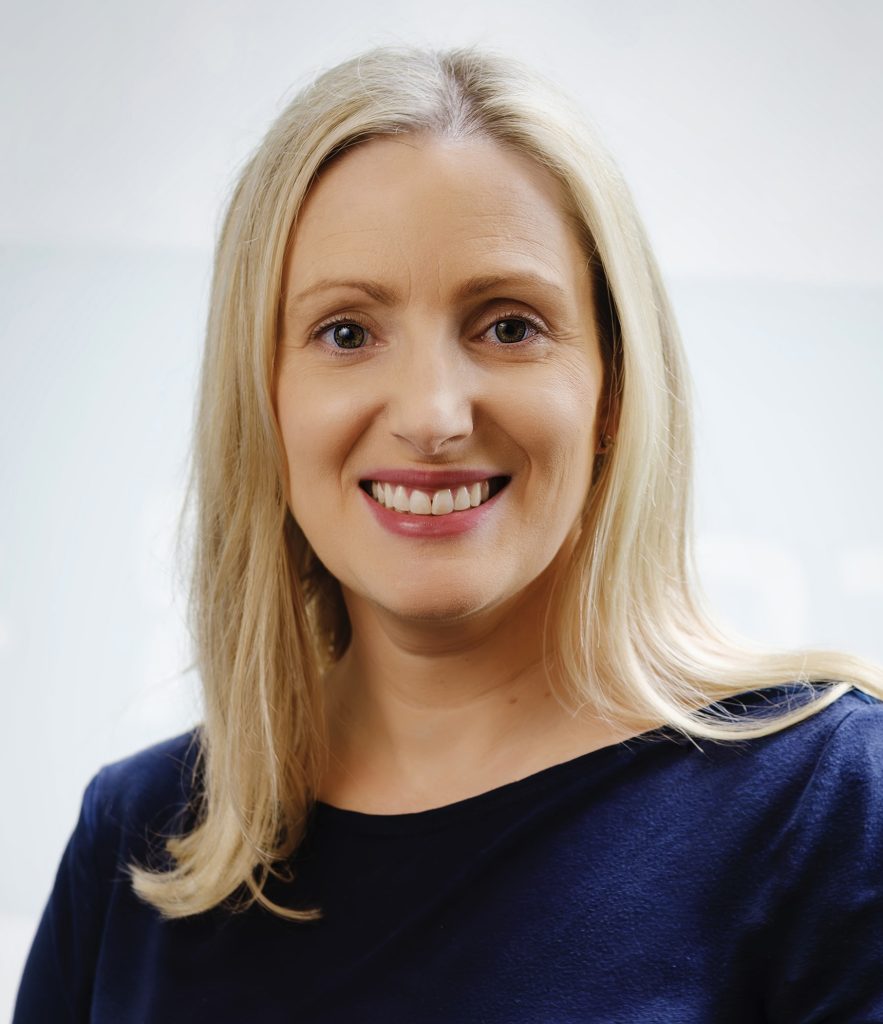
Prof O’Halloran is a Clinician Scientist, UCD Professor of Infectious Diseases and a consultant in Infectious Diseases at St Vincents University Hospital. In her position as Principal Investigator at Infection Research Ireland at UCD, Prof O’Halloran specializes in clinical and translational research in infectious diseases including HIV, SARS-CoV-2 and other viral infections, with a special focus on adaptive clinical trials. She is co-director of the All-Ireland Infectious Diseases Cohort which is nested within the Infectious Diseases Clinical Trial Network. Furthermore she is co-lead of The Global Viral Ecosystem Research and Preparedness Initiative (VERPI) and Chair of the Communication Committee of Infection Research Ireland at UCD. After completing a PhD at UCD in 2016, she moved to Washington University in St Louis, USA where she completed a fellowship in ID prior to joining faculty. She worked as Associate Director of Virology, at the Infectious Diseases Clinical Trial Research Unit (IDCRU) at Washington University in St Louis until 2022, when she returned to Ireland.
Prof Bruce Kirenga (MLI)
Prof. Susanne Dam Poulsen (REGIONH, WP 3 lead)
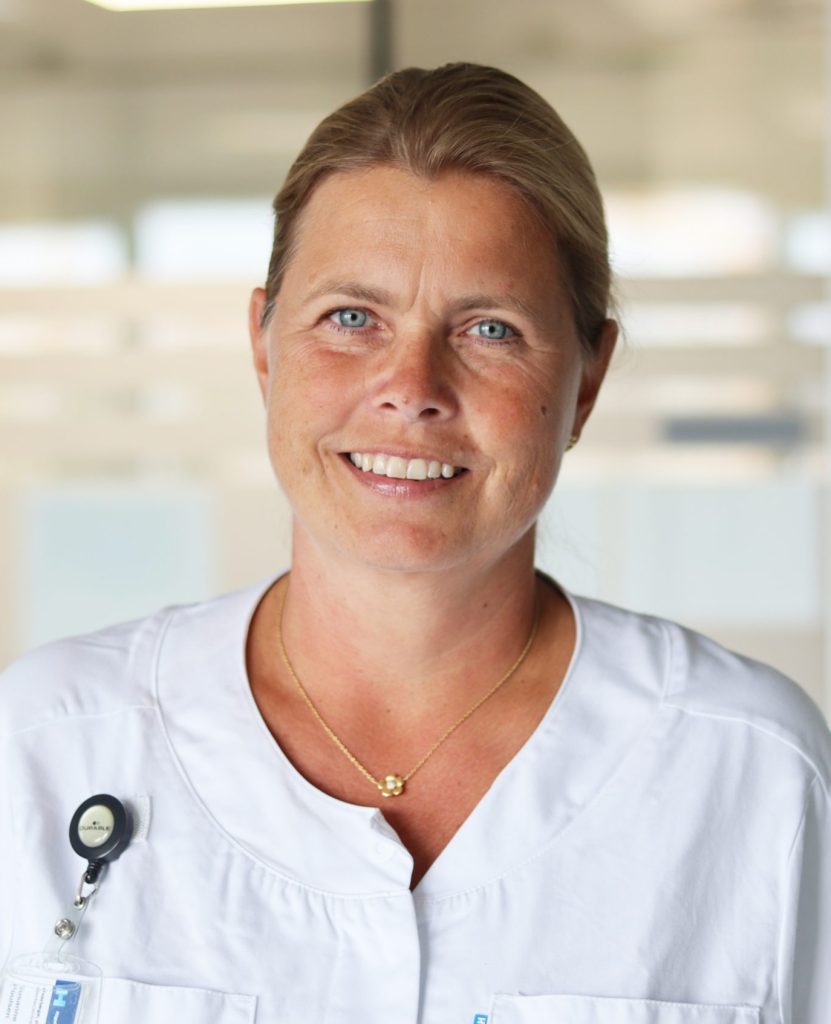
Susanne Dam Poulsen is senior consultant at Department of Infectious Diseases, Copenhagen University Hospital – Rigshospitalet, and professor of infectious diseases at University of Copenhagen. She leads the Viro-Immunology Research Unit consisting of 3 postdoctoral researchers, 10 PhD students, and several affiliated researchers.
She has worked with HIV, inflammation, and immunology since 1994, her research is dedicated to improving the lives of people with HIV (PWH) through clinical and translational studies, with a particular focus on pulmonary and cardiometabolic comorbidities. In 2015, she established the Copenhagen Comorbidity in HIV (COCOMO) study which has provided vital insights into the prevalence and incidence of comorbidities among PWH. Despite universal treatment since 2015, PWH still face a shorter health span than the general population. Findings from Viro-Immunology Research Unit have highlighted risks of airflow limitation, coronary artery disease, peripheral artery disease, and aortic aneurysms in PWH compared to the background population. A key finding is faster lung function decline in PWH than in the general population, regardless of smoking history. Furthermore, the group has identified elevated inflammatory markers, adverse metabolic profiles and a specific microbiome signature associated with coronary artery disease, airflow limitation and depressive symptoms in PWH and provided evidence linking a specific immune-inflammatory profile to age-associated comorbidities.
Susanne Dam Poulsen is the co-author of more than 350 scientific publications, and she has mentored 34 PhD students (completed and ongoing).
Since 2023 Susanne Dam Poulsen has been the co-chair of the European AIDS Clinical Society (EACS) HIV comorbidities guideline panel.
Prof. Elzbieta Kierzek (IBCH, WP 2 lead)
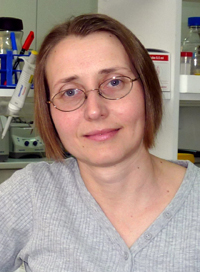
Prof Elzbieta Kierzek is professor for biological sciences and Head of Department of Structural Genomics of RNA at the Institute of Bioorganic Chemistry of the Polish Academy of Sciences (IBCH)
Her research areas include among other things:
- Binding site and structural foundations for disruption of SARS-CoV-2 virus replication by inhibitors
- RNA structural genomics of viruses
- Secondary and tertiary structure of RNA and its complexes with functional proteins, other RNA and small molecules
- Modulation RNA functional activities, including pathogenic RNAs involved with human diseases
- CRISPR/Cas systems as strategies for replication inhibitors of RNA viruses.
- Thermodynamic and comparison analysis of studied RNA, prediction of RNA secondary structure.
- Studies of functional RNA structural motifs of SARS-CoV-2 virus
- Modified oligonucleotides with inhibitory activities against SARS-CoV-2 virus proliferation
- Searching for small molecules that inhibit SARS-CoV-2 virus proliferation
- Cells tests of potential inhibitors of SARS-CoV-2 virus replication
Dr. Wilber Sabiiti (USTAN)
Dr. Wilber Sabiiti leads translational research in diagnostic and treatment biomarker discovery, having developed immunoassays for Tuberculosis and SARS-CoV-2. He leads on building consortia between Africa, UK and EU and Co-Chairs the Immunology and Diagnostics Expert Working Group of CERCLE.
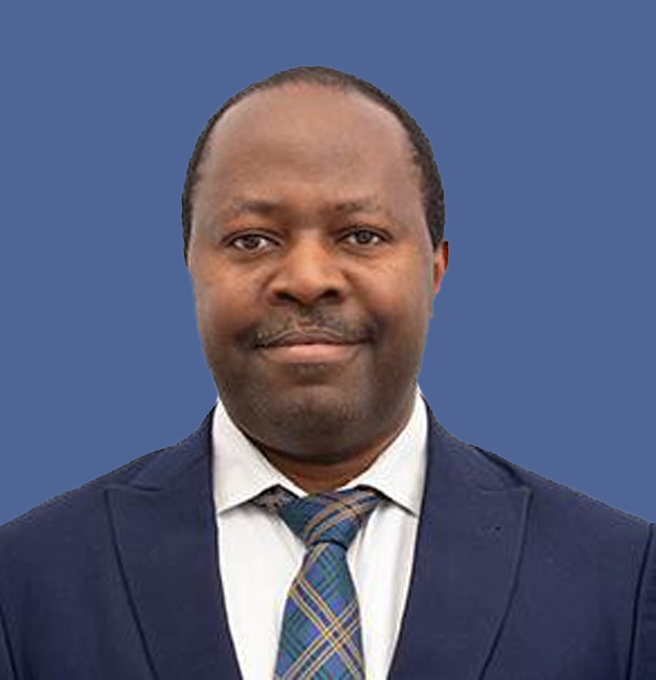
Dr. Michael Nevels (USTAN, Co-Principal Investigator)
Prof. Hirofumi Sawa (IVReD)
Prof. Gabriel Gonzalez (IVReD, WP 1 lead and VERPI Project coordinator)
Prof. Patrick Katoto (UCB, WP 4 lead)
Prof. Patrick Katoto is a Clinician & Lecturer at the Department of Internal Medicine (Division of Pulmonology and Infectious Diseases) at the School of Medicine and Public Health at the Catholic University of Bukavu.
His research work includes experimental work and clinical-epidemiological studies of respiratory illnesses attributable to environmental pollution (from household air pollution to mining air pollution), with a particular interest in the association of exposure to pollutants with the high triple burden of Tuberculosis, MDR-TB and HIV infection. He is also interested in evidence synthesis (evidence-informed policy and clinical practice guidelines development) and into implementation science, especially for poverty related diseases in low and middle income-countries.
Prof. Katoto is co-investigator on the baseline for sepsis in Africa (Liverpool school of tropical medicine) and the Statin-TB (University of Cape Town) and co-founder of The Centre for Tropical Medicine and Global Health, UCB.

Prof. Rosine Bigirinama (UCB, Co-Principal Investigator)
Prof. Scot Weaver (UTMB)
Prof. Ali Ellebedy (WashU)
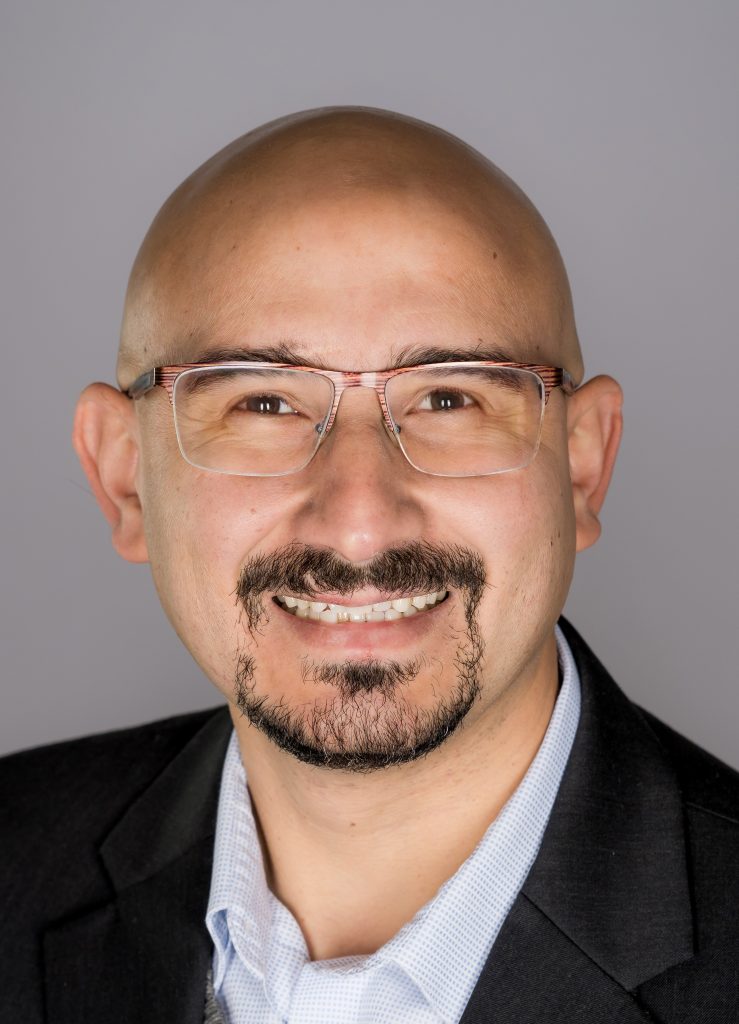
Ali H. Ellebedy, Ph.D., Leo Loeb Endowed Professor in the Department of Pathology and
Immunology, and the Co-Director of the Center for Vaccines and Immunity to Microbial Pathogens at Washington University School of Medicine in St. Louis. He is a viral immunologist with 16 years of experience studying murine and human B cell responses to viral infections and vaccination. Over the past ten years, he has been directly involved in the design and execution of over 20 vaccination studies in humans. He was the study PI of half of these studies. The focus of his research has been on viral pathogens, including seasonal and avian influenza, Ebola, Lassa, Chikungunya, and SARS CoV-2. He has unique expertise in the evaluation of B cell and antibody responses to vaccination that will guarantee the successful completion of the goals of this application. Dr. Ellebedy earned a bachelor’s degree in Pharmaceutical Sciences from Cairo University School of Pharmacy, Cairo, Egypt in 2004 and his Ph.D. from the University of Tennessee Health Science Center, Memphis, Tennessee in 2011.
Throughout his career, Dr. Ellebedy has demonstrated his expertise through numerous publications and has received recognition with various prestigious awards.
Dr. Andrew Obuku Ekii (UNHRO)
Dr Andrew Obuku is Senior Research Scientist and Head of the UVRI BSL3 Laboratory. He has expertise in virus culture (SARS-COV-2, HIV), manufacture of virus like particles and leads on biobanking protocols from Ugandan disease outbreaks to generate reagents for diagnostics and therapeutics. He is a key member of the UVRI CEPI laboratory, focusing on immunogenicity assays for Marburg and SUDV and the team evaluating immune responses to Ad26.ZEBOV/MVA-BN-Filo vaccine. He is a consultant for the NAVCOV study evaluating new Adenovectors for delivery of immunogens, recently funded from Innovate UK, to develop Crimean-Congo Hemorrhagic Fever (CCHF) vaccines.

Investigators and Project Members
UCD
- Patrick Mallon, Investigator
- Paul Walsh, Investigator
- Conrad Keating, Investigator
- Susie Geiger, Investigator
- Eoin Feeney, Investigator
- Nicola Fletcher, Investigator
- Stephen Gordon, Investigator
- Michael Carr, Investigator
- Sophie O’Reilly, Team Member
- Tristan Russell, Team Member
- Dieudonné Bidashimwa, Program Manager (former)
- Alejandro Garcia, Laboratory Manager
- Elena Alvarez Barco, Program Manager
- Elija Ash Kücken, Program Management Support and Website Manager
- Ayleen Mufudza, PhD Student & Program Management Support
MLI
- Misaki Wayengera, Co-Investigator
- Henry Kyobe Bosa, Co-Investigator
- Winters Muttamba, Co-Investigator
- Damalie Nalwanga, Co-Investigator
- Mudarshiru Bbuye, Project Coordinator
- Mordecai Tayebwa, Grants Manager
REGIONH
- Andreas Dehlbaek Knudsen, Investigator
- Safura-Luise Heidari, Project Coordinator & PhD Student
- Moises Alberto Suarez Zdunek, Project Coordinator & PhD Student
- Freja Bak Kampmann, Project Coordinator
- Nicoline Arentoft, PhD Student
IBCH
- Ryszard Kierzek, Team Member
- Marta Szabat, Team Member
- Marta Soszynska-Jozwiak, Team Member
- Kinga Maziec, Team Member
- Agnieszka Baliga-Gil, Team Member
- Adrián Guirao Jiménez, Team Member
- Mariia Sokulska, Team Member
- Karolina Korycka, Project Coordinator
- Pawel Goderski, Administrative Staff
USTAN
- Tionge Sikwese, PhD Fellow
- Brenda Nakazibwe, PhD Fellow
- Ann Le Feuvre, Finance Contact
- Sarah Milner, Finance Contact
- Julie Anderson, Project Management
- Lesley Ferrier, Project Management
- Natasha Walbaum, Laboratory Expert
- Jason Corbett, Postdoctoral Fellow
- Inês Ferreira, Postdoctoral Fellow
- Jingyi Chen, PhD Student
- Yuliia Nykolyn, PhD Student
- Denis Korolev, PhD Student
IVRED
- Yukari Itakura, Investigator
- Koshiro Tabata, Investigator
- Shinji Saito, Investigator
- Shimpei Watanabe, Administrative & Management Contact
UCB
- Rosette Baluku, Project Manager
- Arsène Nyalundja
- Guillaume Ashuza, Researcher & PhD Student
- Alain Balola, Researcher & PhD Student
- Victoire Hatu’m
- Enid Nansereko
- Divine Kiswa, Project Manager
- Jean Marie Nshokano Kataraka, Legal Affairs
UTMB
- Alan Landay, Training Faculty
- Patricia Aguilar, Training Faculty
- Nikos Vasilakis, Training Faculty
- Shannan Rossi, Training Faculty
- Robert Cross, Training Faculty
- Courtney Woolsey, Training Faculty
- Laura Dickson, Training Faculty
- Christy Taylor, Sponsored Research Director
- Marcela Lopez, Program Manager
WashU
- Jackson Turner, Project Coordinator
- Mindi Rodden, Ass. Director Research Contracts
UNHRO
- Barnabas Bakamutumaho, Member
- Samuel Okware, Member & DG UNHRO
- Ben Gombe, Project Manager
- Sharon Nabakoza, Finance